An AAPI Community Contribution to RI 250

Grace Lee Boggs: Unfinished AAPI Revolutions, New Generations

A two-part series from the AAPI History Museum, supported by the RI 250 Commission. AAPI history is American history. Through conversation, art, movement, and youth leadership, the series explores how Providence-born Grace Lee Boggs’s ideas inspire a more just and caring world. In 2026, as an official RI 250 partner, the museum honored Boggs (1915–2015) with a spring panel at RWU in Bristol on her lasting influence on justice, education, and community, and an August 8 gathering at 195 District Park in Providence featuring youth-led art stations, youth speakers, and performances that drew the whole crowd into the dance.

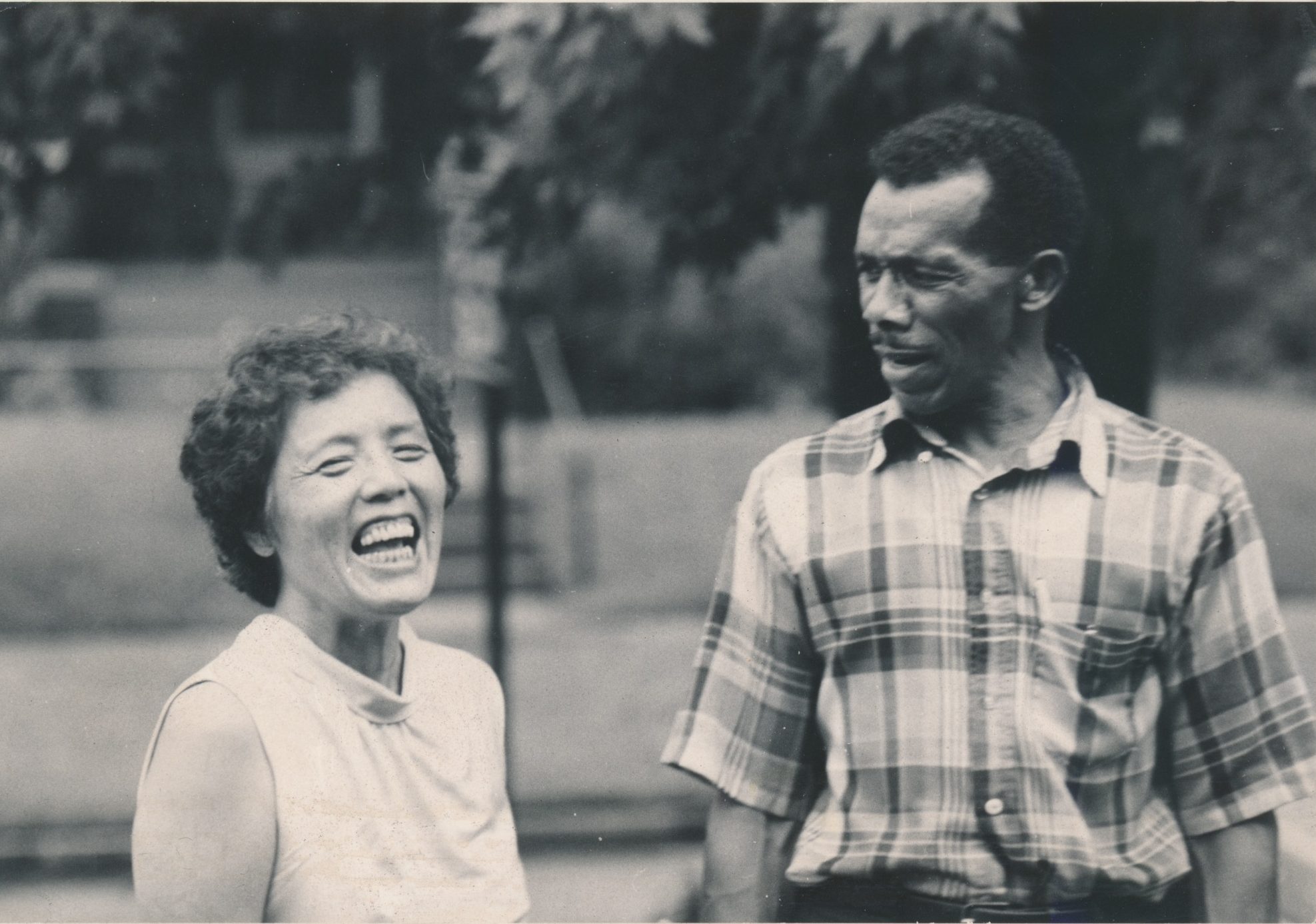
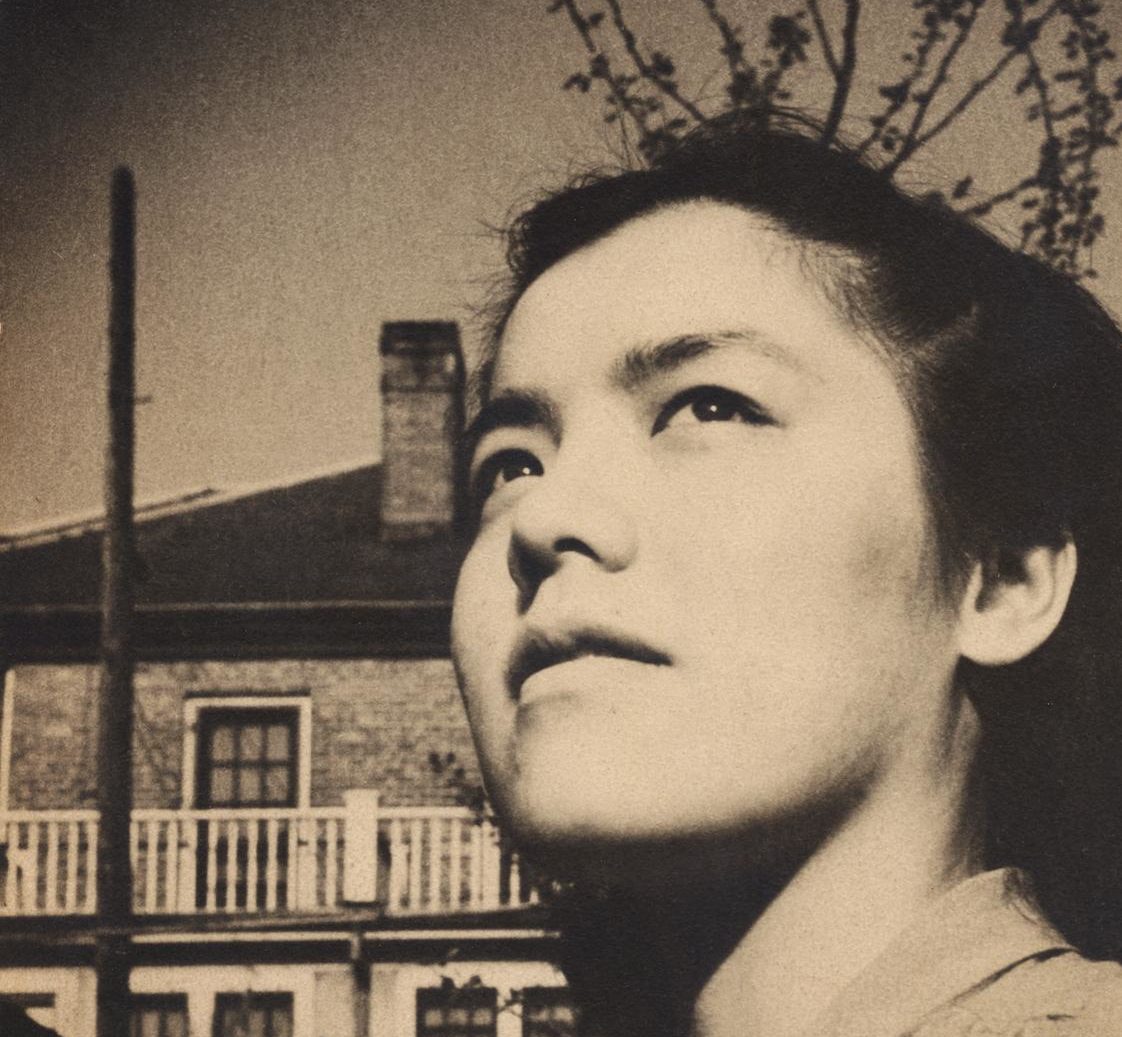
Born in Providence in 1915, Grace Lee Boggs was a Chinese American philosopher, writer, and activist. She spent her life exploring how ordinary people could create more just and caring communities through civil rights, labor activism, organizing, and imagination.

Part 1: Grace Lee Boggs and Unfinished AAPI Revolutions

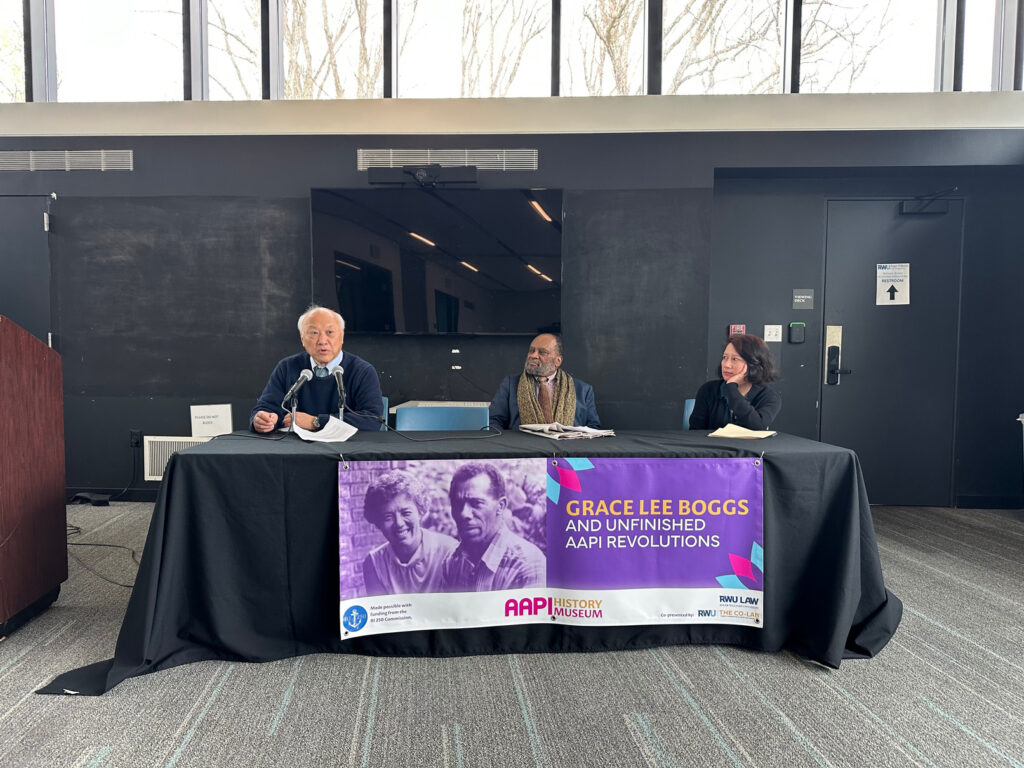
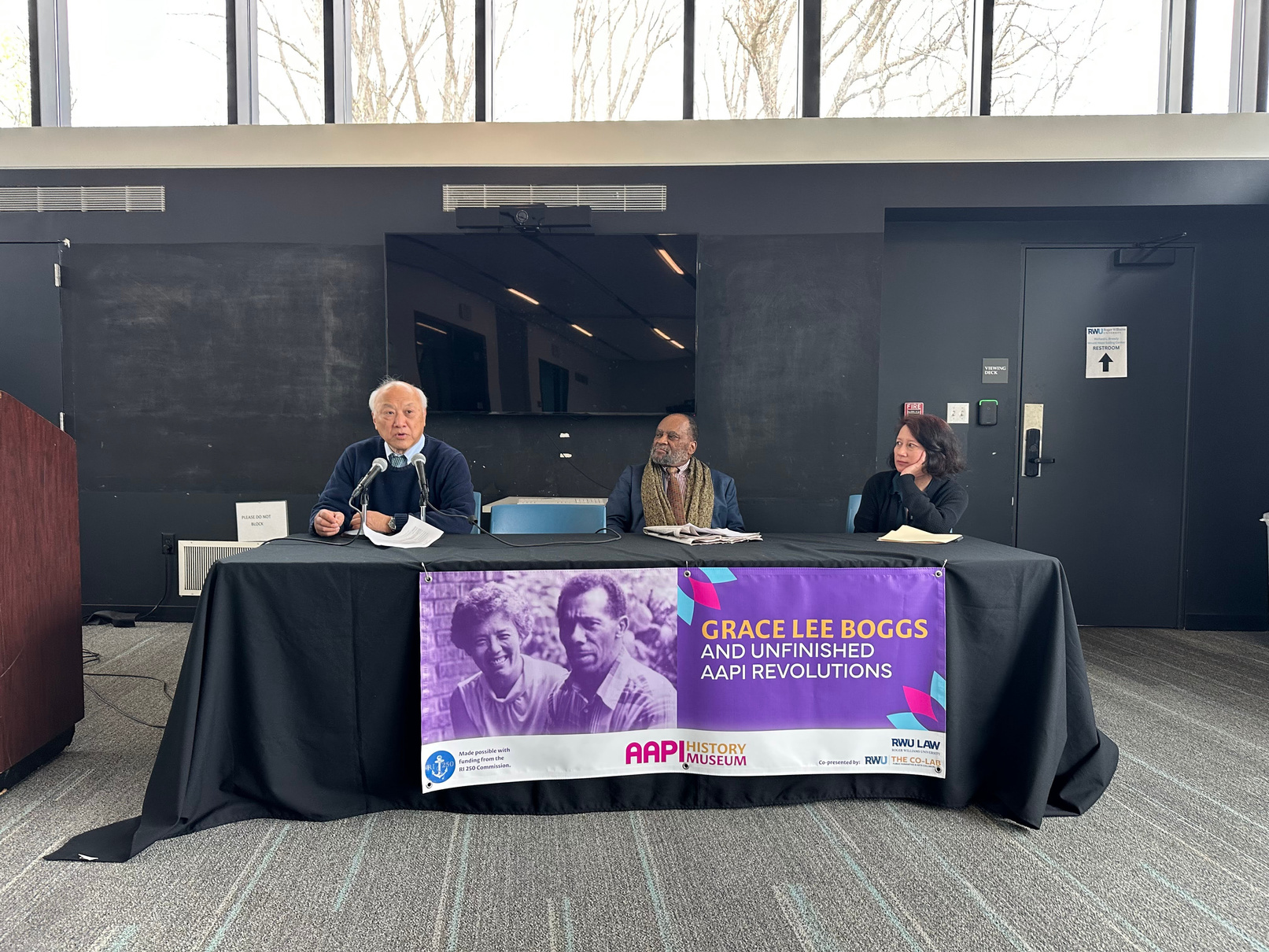
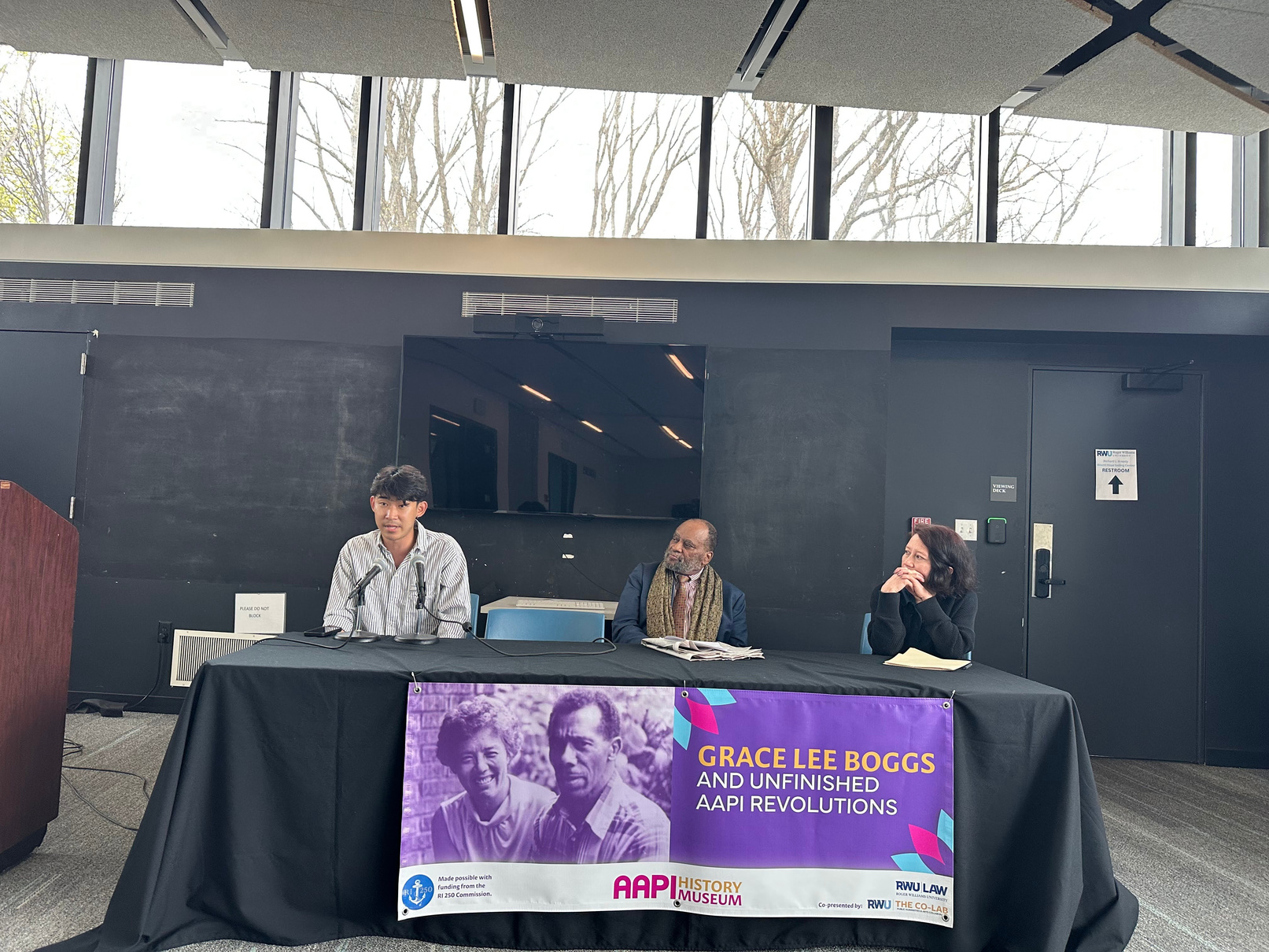
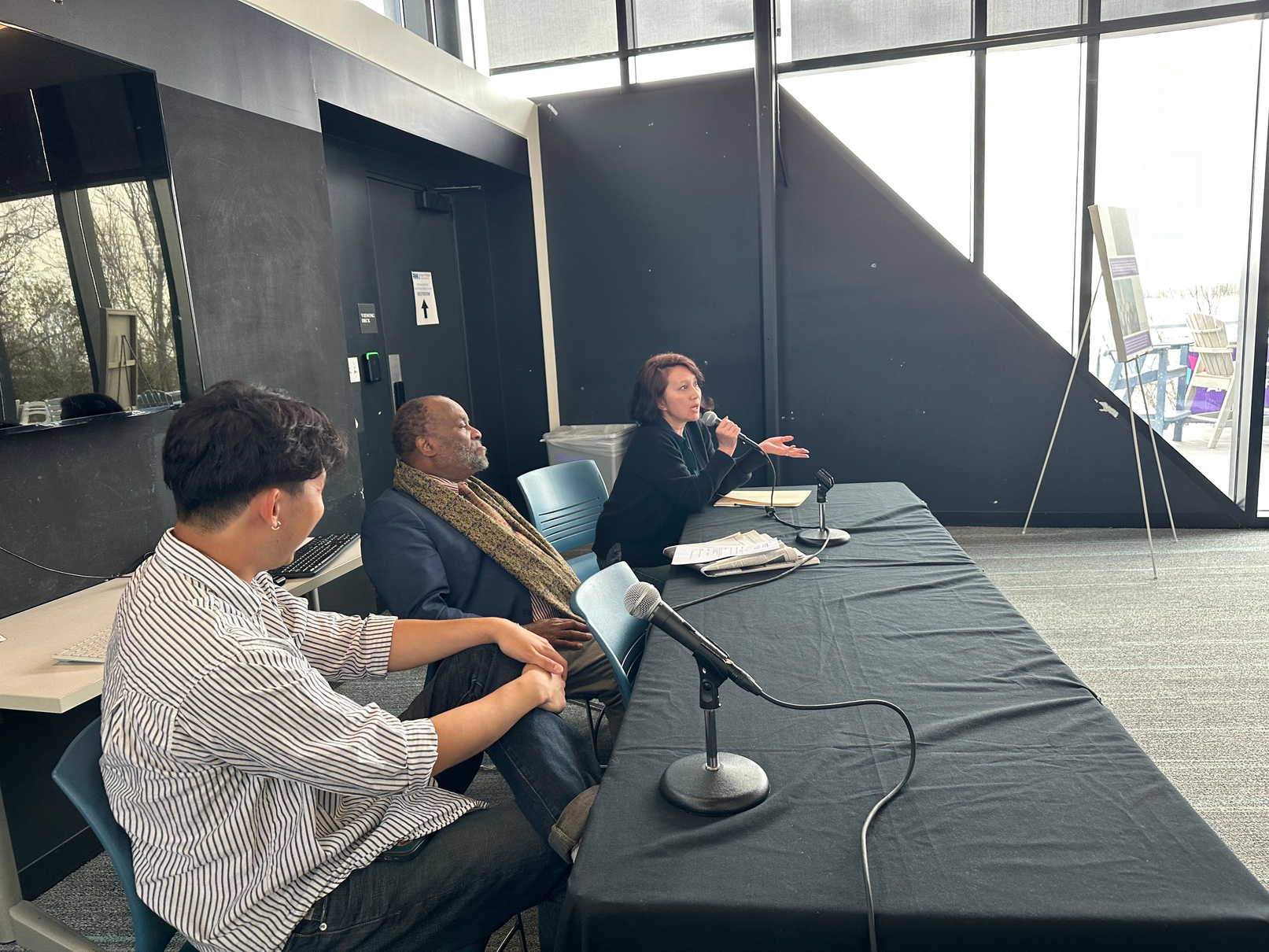
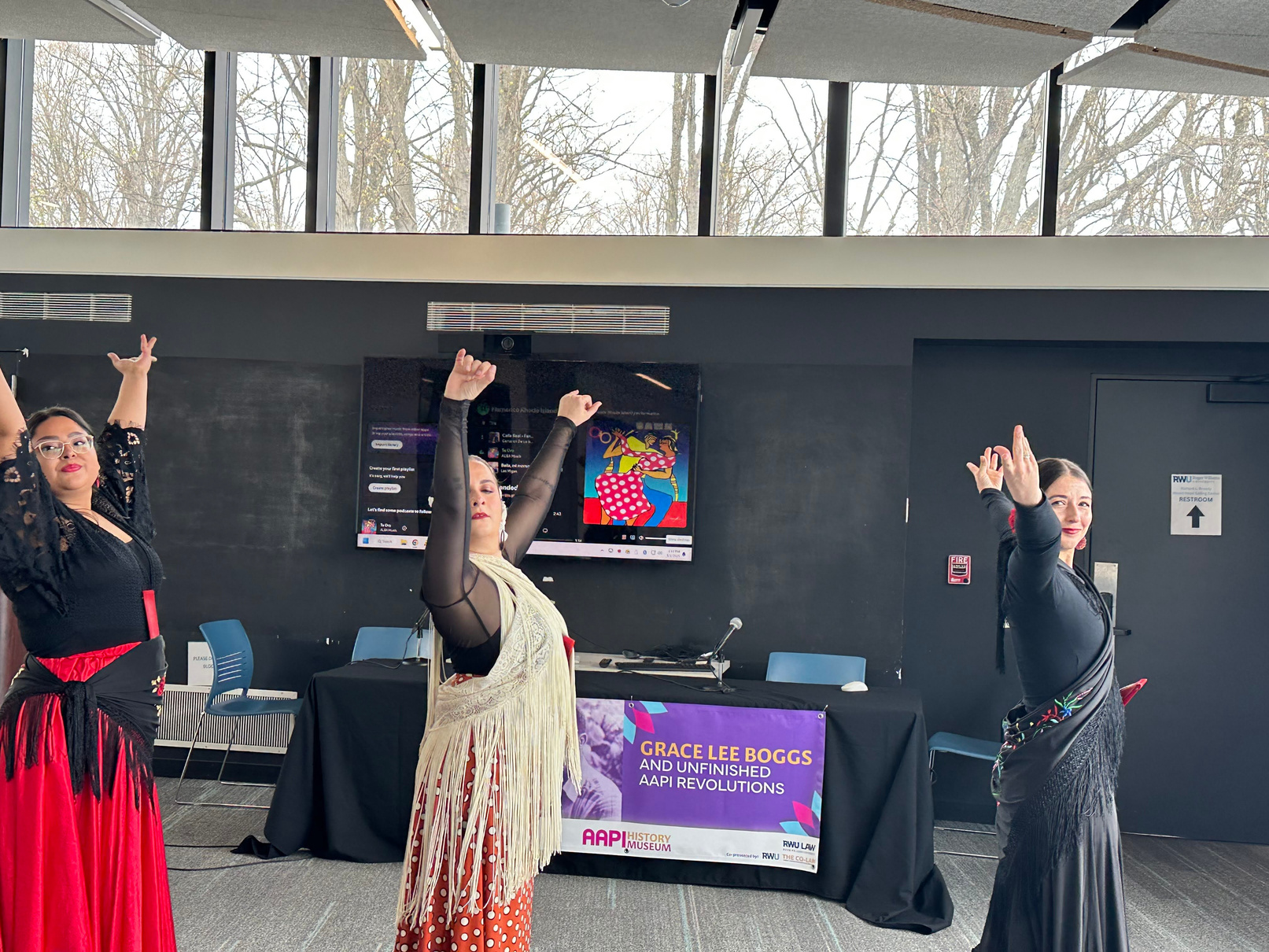
An official RI 250 event that opened the museum’s AAPI Heritage Month, held spring 2026 at the RWU Sailing Center in Bristol. Panelists Charlie Chin, Bernard Freamon, Katie Krafft, and Nicolas Lee, with Boggs Foundation president Scott Kurashige joining virtually, explored how the Providence-born activist’s ideas still shape justice, education, and community. Flamenco Rhode Island closed the program.

Our Panelists

Dr. Scott Kurashige
Historian; President, James and Grace Lee Boggs Foundation (virtual)

Charlie Chin
A longtime Rhode Islander, restaurateur, and community leader

Dr. Bernard Freamon
Professor of Law at Roger Williams University,

Dr. Katie Krafft
Associate Professor of Crime and Justice Studies at UMass
Dartmouth and AAPI History Museum Advisory Council member.

Nicolas Lee
Middle School teacher at
Thayer Academy and a Brown Alum. 
Rob Rock
Deputy Secretary of State

Jeannie Salomon
Founder and Executive Director, AAPI History Museum

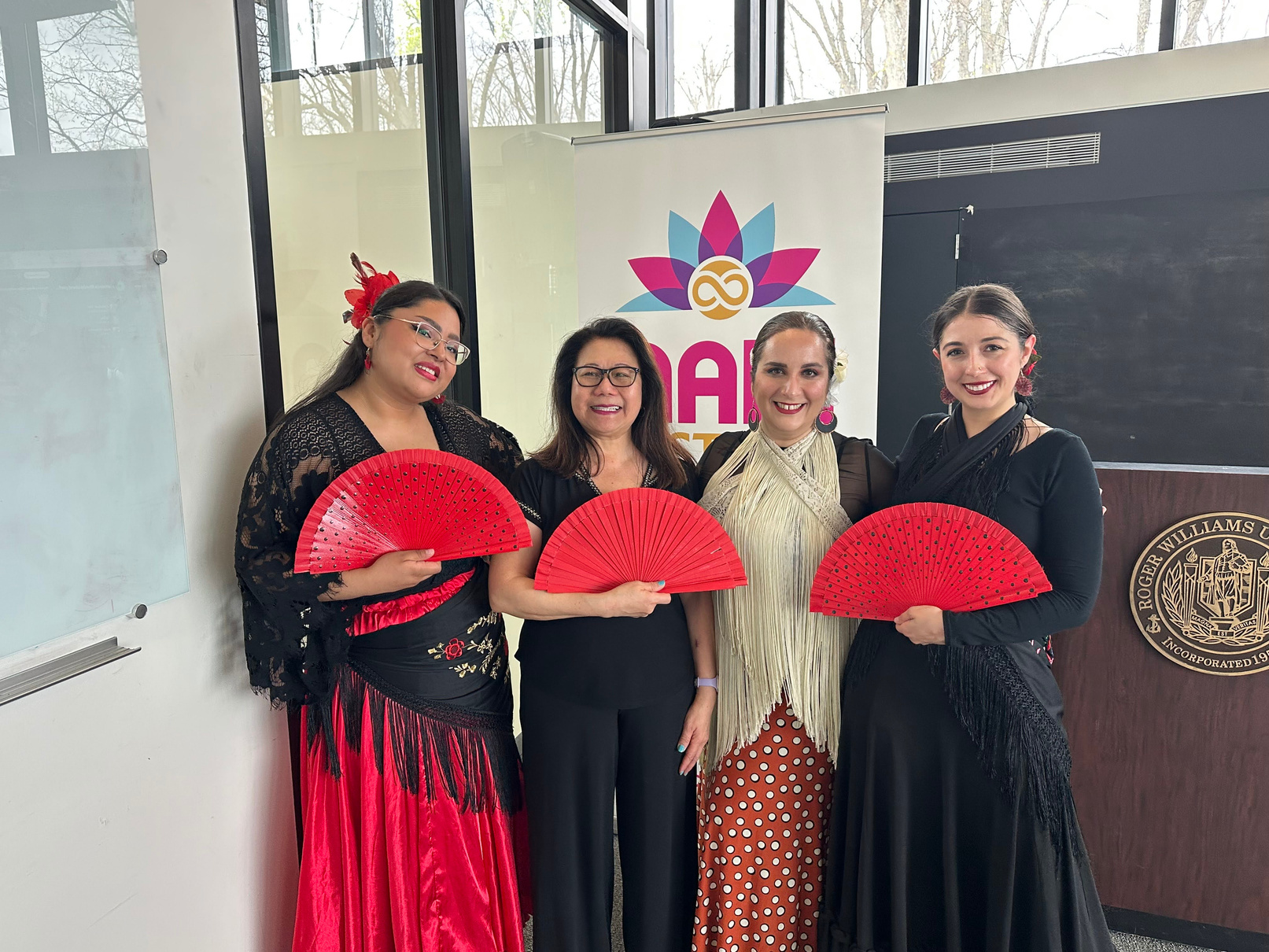
Flamenco Rhode Island
Chosen for this program because flamenco itself reflects
kind of multicultural solidarity and shared history that Grace Lee Boggs championed.

Opening

Land acknowledgment by Associate Dean Dyszlewski; Jeannie Salomon frames the event as an official RI 250 gathering; Deputy Secretary of State Rob Rock offers opening remarks.

Documentary

A documentary excerpt on Grace Lee Boggs, followed by Dr. Scott Kurashige, president of the James and Grace Lee Boggs Foundation, joining from the West Coast.

Panel

Charlie Chin, Bernard Freamon, Katie Krafft, and Nicolas Lee explore how Boggs’s ideas continue to shape justice, education, and community, connecting past struggles to a new generation.

Closing

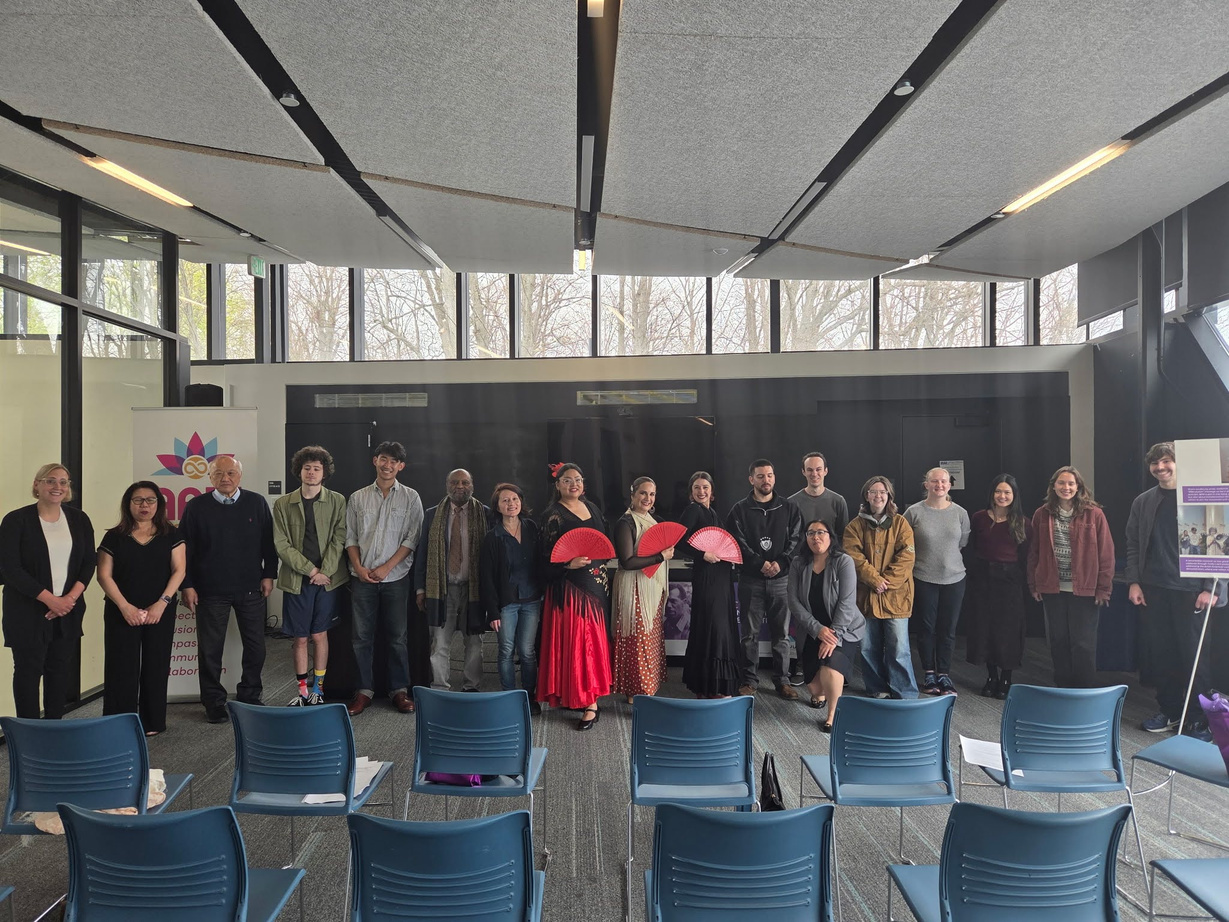
Flamenco Rhode Island performs, followed by a group photo and thanks to the speakers, partners, and volunteers who made the program possible.

Part 2: Grace Lee Boggs for the Next Generation​

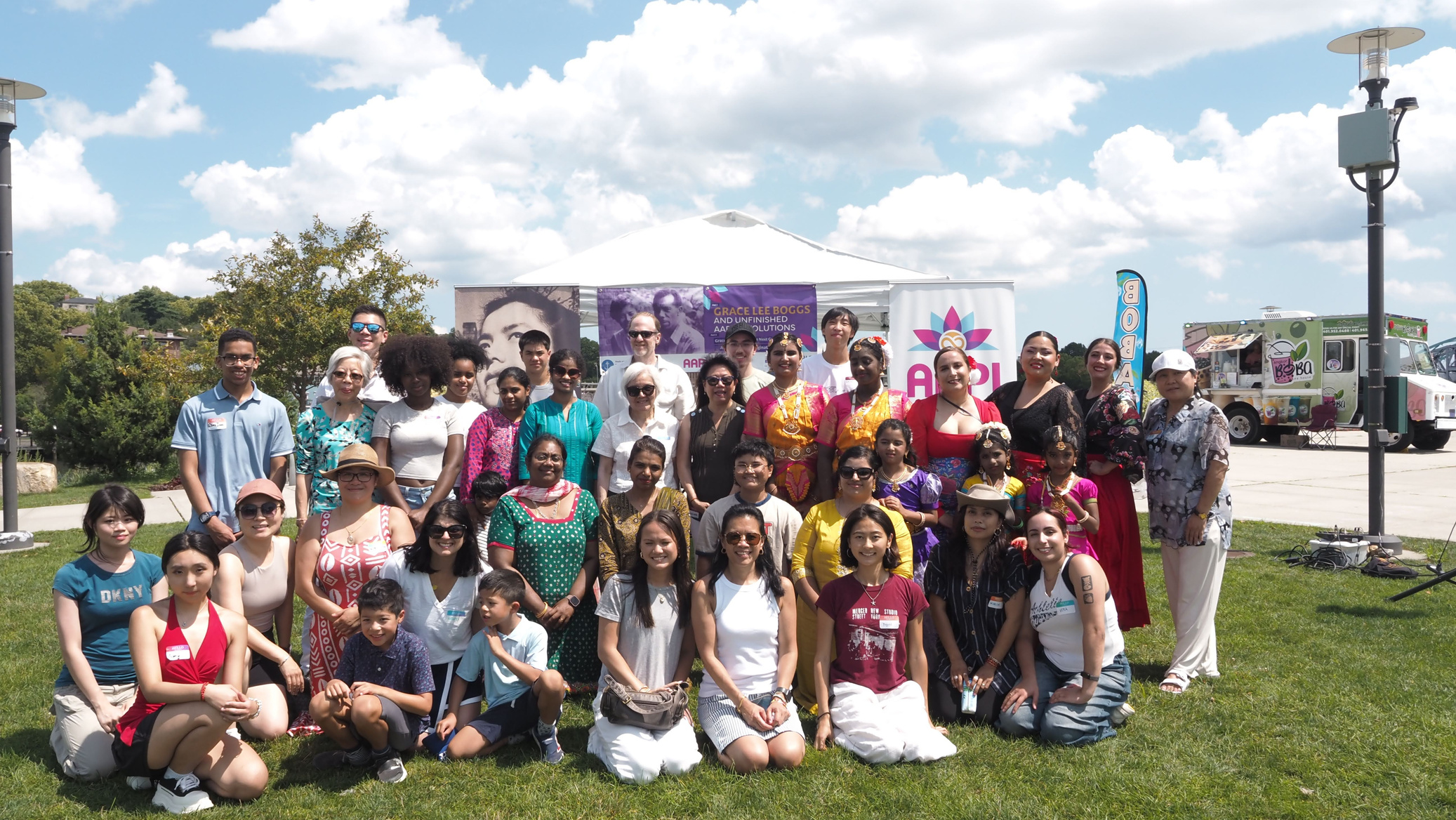
Held on Saturday, August 8, 2026, at 195 District Park in Providence, this outdoor, family-friendly event put Grace Lee Boggs’s ideas into practice. Young people led six hands-on art stations, Secretary of State Gregg Amore and youth speakers took the stage, and performances by the Trinalaya School of Dance and Flamenco Rhode Island drew the whole crowd into the dance. Presented with the RI 250 Commission and 195 District Park.

For most of the country’s history, the stories of Asian Americans and Pacific Islanders have been told at the margins of the American narrative, if they were told at all. Grace Lee Boggs, born in Providence in 1915, spent a century pushing against that silence. On August 8, her hometown set out to do the same.

AAPI History Museum gathered young people, artists, families, and neighbors at 195 District Park in Providence for the second part of its Grace Lee Boggs series. From the outside, the afternoon looked like a festival: art tables, dance performances, a few speeches under a tent. But every piece of the program was built around a single idea, and understanding that idea is the key to understanding the event.

Participants carried a passport from station to station, collecting stickers as they went, and by the end of the afternoon they had not simply learned about Grace Lee Boggs’s ideas. They had done them.

A Seat at the Table

The event was held as an official RI 250 program, part of Rhode Island’s commemoration of the nation’s 250th anniversary. Secretary of State Gregg Amore, who chairs the RI 250 Commission, spoke about the Commission’s work and the museum’s place in it.

The museum introduced him deliberately: not only as Secretary of State, but as someone who taught American history, civics, and government at East Providence High School for 27 years. That background carries weight. Asian American histories have often been left out of the mainstream telling of American history.  It signals recognition: AAPI history is not separate from American history. AAPI history is American history. For the museum, the day represented having a seat at the table in a statewide conversation about whose stories belong in the American story.

Putting the Next Generation in Charge

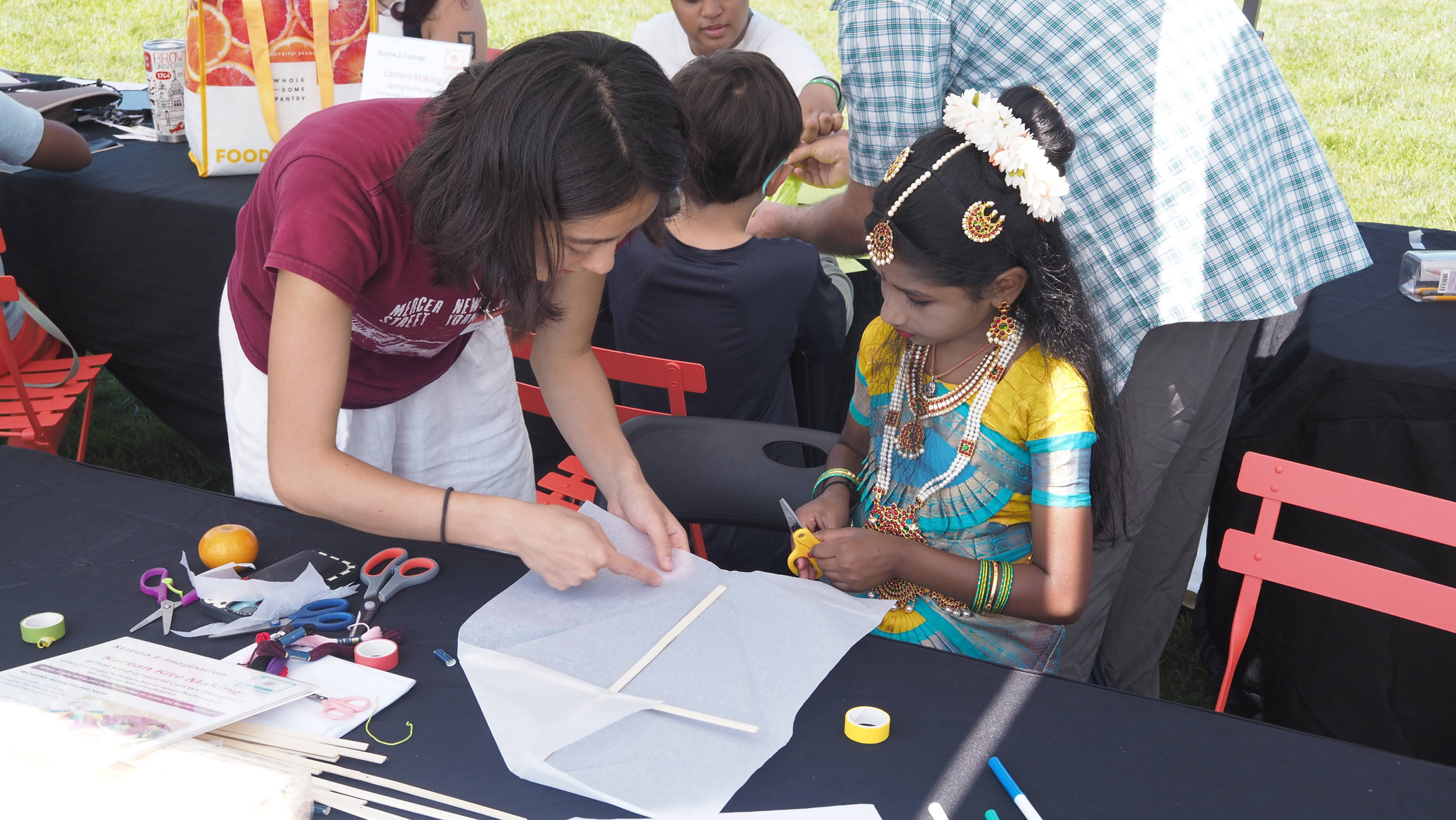
The answer was to hand the day to young people. AAPI youth leader Amy H. and museum volunteer Elias I. spoke from their own perspectives about why AAPI history matters to them and what Grace Lee Boggs means for their identities. Around them, young leaders ran six hands-on stations, each built on one of her principles: community, courage, imagination, justice, solidarity, and creativity.

The distinction matters. The station leaders were not teaching weaving or lantern making or kite building. They were using art to teach history. A child who writes a hope for the world on a Korean kite and lets it fly is not just making a craft; she is practicing imagination the way Boggs described it.

Performances with a Purpose

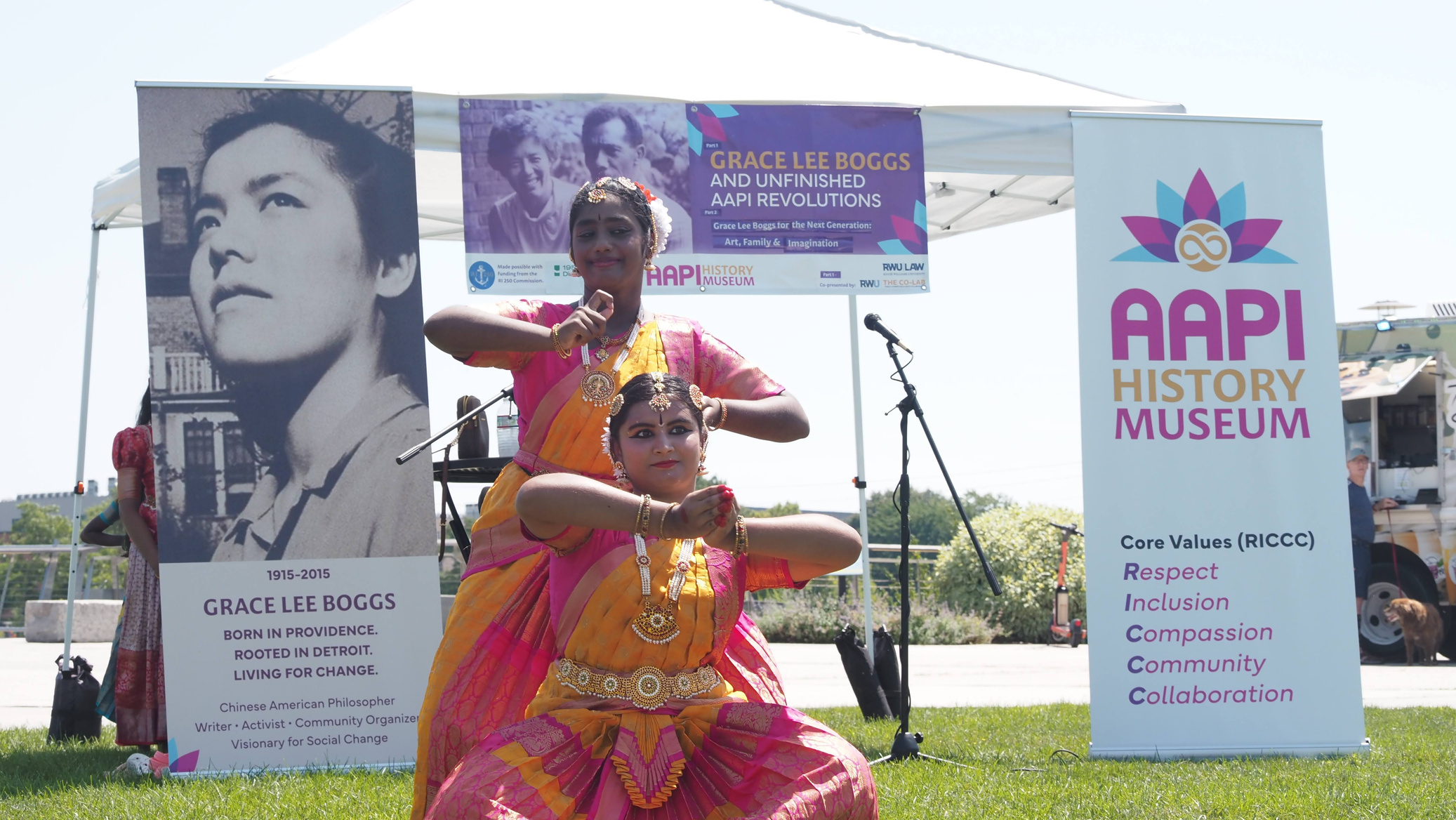
Even the dancing was intentional. The Trinalaya School of Dance and Flamenco Rhode Island were not booked as entertainment between segments. Both traditions are themselves stories of exchange across cultures, and both echo Boggs’s insistence on building relationships beyond the boundaries of any one community. When Flamenco Rhode Island invited the audience onto the grass and a circle of grandmothers, teenagers, and children raised their arms together, the performance became the message.

One Connected Story

Read in order, the day tells a single story. It begins with histories and voices that have often been excluded from the American narrative. Through RI 250 and Secretary Amore’s participation, those histories are recognized as part of the American story. Then young people, artists, performers, families, and community members take Grace Lee Boggs’s ideas of solidarity and community building and carry them forward.

Nothing about the program was a collection of separate parts. It was, from start to finish, a story of recognition, belonging, solidarity, and the next generation carrying the work forward.

Speakers & Performers at the Event

Gregg Amore
Rhode Island Secretary of State; Chair, RI 250 Commission

Amy H.
AAPI youth leader

Elias I.
Museum Volunteer

Trinalaya School of Dance
Classical Indian Dance

Flamenco Rhode Island
Flamenco performance and open dance

Youth station leaders
Six hands-on art and discussion stations

Every participant received an AAPI History Museum Passport and collected a sticker at each of six youth-led stations, each built around one of Grace Lee Boggs’s ideas.

Community

Filipino weaving, led by college student Maria

Courage

Lantern making

Imagination

Korean kite making and flying

Justice

The fairness scale

Solidarity

Conversation circles with youth leaders

Creativity

A shared community mural

Opening

The program introduced Part 2 as a youth-centered exploration of AAPI history, identity, and community; volunteers at the welcome table oriented arrivals and shared the museum’s mission.

The History Passport

Participants received a passport and worked through six youth-led stations, collecting a sticker at each: Community (Filipino weaving), Courage (lantern making), Imagination (Korean kites), Justice (the fairness scale), Solidarity (conversation circles), and Creativity (a shared mural).

Voices and Recognition

The Trinalaya School of Dance performed; youth leader Amy H. and volunteer Elias I. shared why AAPI history matters to them; Secretary of State Gregg Amore spoke about the RI 250 Commission and the museum’s place in Rhode Island’s story.

Community in Motion

Flamenco Rhode Island performed and invited the audience to join, turning the afternoon into a shared, intergenerational dance before the closing group photo and thanks to sponsors, vendors, and volunteers.

With Gratitude

Both events were made possible with generous grant support from the RI 250 Commission.

For Part 1, we thank the Roger Williams University Co-Lab and RWU School of Law for partnering with us and supporting the participation of Dr. Bernard Freamon and Advisory Council member Dr. Katie Krafft, and Mr. Charlie Chin and Nicolas Lee for joining the panel.

For Part 2, we thank 195 District Park for its grant support, Rong Chi Restaurant for donating snacks for our volunteers, and our food vendors, Angkor Boba Tea Truck and Nanu Burmese Food Truck. Finally, our heartfelt appreciation goes to all the volunteers and community members who organized, set up, and staffed both events. Your time, energy, and dedication made these gatherings possible.

Copyright © 2026 AAPI History Museum

AAPI History Museum is operated by Cultural Society, a Rhode Island nonprofit organization. Inspiro Theme by WPZOOM

Scroll to top